

Aquamation vs Cremation: Understanding the Differences
When considering end-of-life arrangements, families may have more options than they realize. Traditional cremation remains a familiar choice, while aquamation offers a water-based alternative.
Understanding aquamation vs cremation can help families compare how each process works and consider which option best reflects their needs, priorities, and preferences.
What Is Traditional Cremation?
Traditional cremation uses high heat to reduce the body to bone fragments, which are then processed into the cremated remains returned to the family.
Families may choose
direct cremation for a simpler arrangement or combine cremation with a gathering or
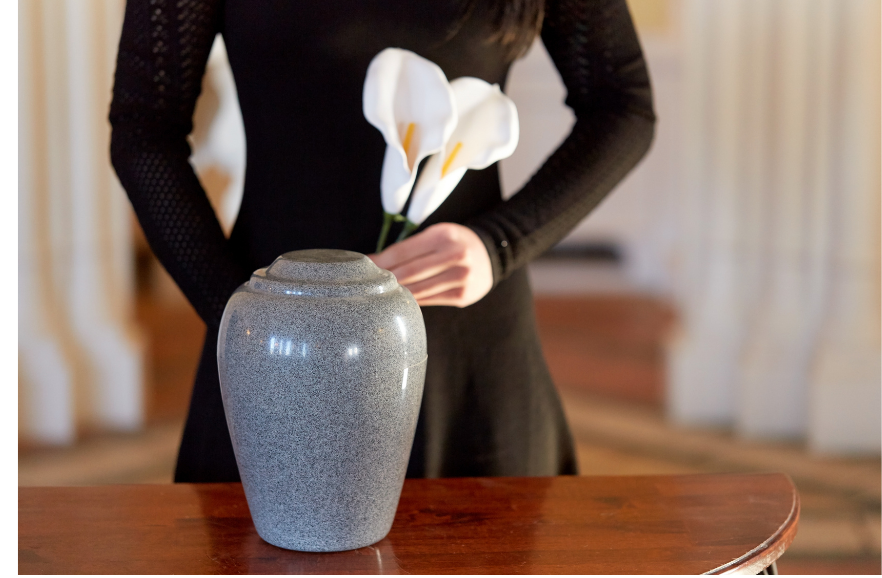
memorial service. Cremated remains can then be kept in an urn, placed in a permanent location, scattered where permitted, or incorporated into another form of remembrance.

What Is Aquamation?
Aquamation, also known as alkaline hydrolysis or water cremation, is a flameless process that uses water, alkalinity, temperature, and circulation to accelerate the natural breakdown of the body.
Afterward, the remaining bone material is processed and returned to the family, allowing for many of the same memorial and final-placement choices available after traditional cremation.
Aquamation vs Cremation: What Is the Difference?
The primary difference is how each process takes place. Traditional cremation relies on high temperatures and flame, while aquamation uses a water-based process.
Afterward, the remaining bone material is processed and returned to the family, allowing for many of the same memorial and final-placement choices available after traditional cremation.
Environmental impact may also factor into a family's decision. Aquamation generally requires less energy and produces fewer direct air emissions than flame cremation. Traditional cremation, however, is more widely available and may be more familiar to families.
Both options ultimately allow families flexibility in deciding how they would like to remember and honor their loved one.

Choosing the Right Option for Your Family
There is no single choice that works for every family. Cost, availability, environmental considerations, religious or cultural beliefs, and a loved one's wishes can all influence the decision.
Families comparing their options may also find it helpful to explore
available resources as they consider arrangements and next steps. Having clear information can make an unfamiliar process easier to navigate.
Whether choosing aquamation or traditional cremation, the goal is to make an informed decision that feels appropriate for your family.
If you would like to learn more about available options,
contact the Cremations Only team now to connect with a member of our team. Families may also find comfort and connection through
our obituaries page, where loved ones can be remembered and celebrated. For families seeking
cremation services in Sacramento, our team is here to provide compassionate guidance and support.