For many families, scattering a loved one's ashes is a meaningful way to say goodbye. Returning someone to a place they loved, whether the ocean, the mountains, or a quiet spot in their own backyard, can bring comfort and a sense of closure.
California allows ashes to be scattered in many places, but there are a few state rules families should understand before planning a scattering. Knowing these guidelines ahead of time can help you plan a respectful tribute without unexpected complications.
Is It Legal to Scatter Ashes in California?
Yes. California law permits cremated remains to be scattered, as long as certain conditions are met. In general:
- The location must not have local rules prohibiting scattering.
- You need written permission from the property owner or the government agency that manages the land.
- The remains must be removed from their container before scattering, unless a scattering urn designed for that purpose is used.
- The remains should be scattered so they are not noticeable to the public.
Before cremated remains can be scattered, a Permit for Disposition is also needed. Your cremation provider can help make sure the right paperwork is in place.
Scattering Ashes on Private Property
Scattering on private land, such as a family home, ranch, or a friend's property, is often the simplest option. If you own the property, you can generally scatter ashes there. If someone else owns it, California law requires their written permission first.
It is also worth thinking about the future. If the property may be sold someday, some families choose to keep a small portion of the ashes in a keepsake urn so they always have a place to remember their loved one.
Scattering Ashes at Sea
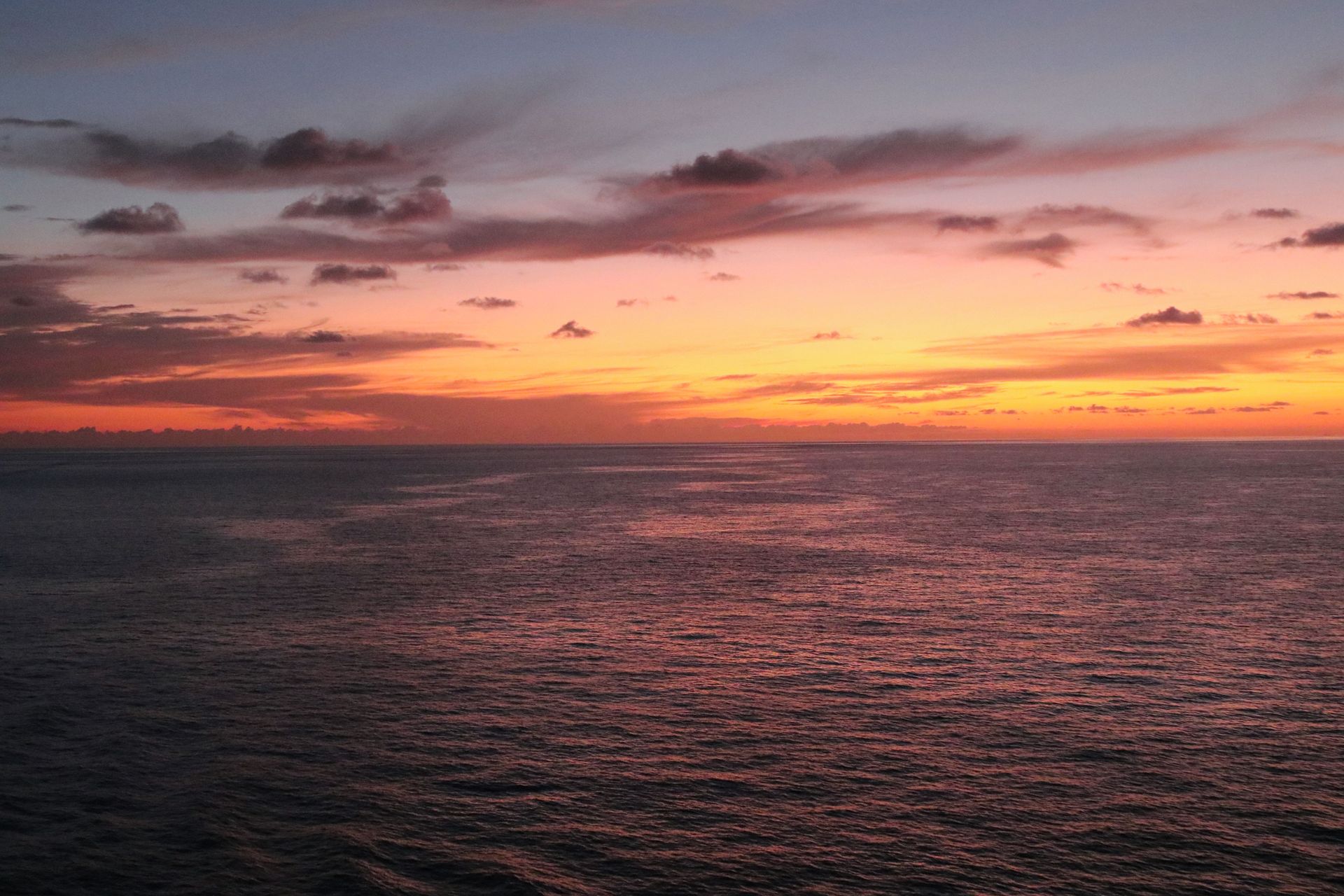
Scattering at sea is one of the most popular choices in California. Cremated remains may be taken out by boat from any harbor in the state, or by air, and scattered over the ocean. A few key points:
- Scattering must take place at least 500 yards from the shoreline.
- The remains must be removed from their container, or placed in a scattering urn made to break down in water.
- Federal guidelines also apply to ocean burials, including distance from shore and reporting after the scattering.
- After a scattering at sea, a statement must be filed with the local registrar in the county nearest the scattering location within 10 days.
Many families choose to work with a licensed boat service that handles these requirements and allows family members to be present for a private ceremony on the water.
Scattering Ashes in Rivers, Lakes, and Inland Waters
California has specific rules for inland waters. Scattering is not allowed in lakes or streams, or from a bridge or pier. Some larger inland navigable waters may be allowed, but the same 500-yard distance from the shoreline applies. Because these rules can be confusing, it is a good idea to check with your cremation provider before planning a scattering on a river or in the Delta.
Scattering Ashes in Parks and on Public Land
Many families wish to scatter ashes in a favorite state or national park. This is often possible, but permission is required.
- California State Parks:
A permit is required, and each park district decides whether scattering is appropriate in its area.
- National parks and federal land:
Permission is usually required from the park or land agency, and some areas have their own conditions.
- City and county parks:
Contact the local parks department, since rules vary by location.
Scattering without permission on public land can result in fines, so it is always best to reach out to the managing agency ahead of time.
Other Ways to Scatter Ashes
Scattering does not have to follow just one approach. Families sometimes choose:
- Aerial scattering, where ashes are released from a small plane over the ocean or another approved area.
- Scattering gardens, which some cemeteries offer as a dedicated, peaceful place to scatter ashes and return to visit.
- Dividing the ashes, so part can be scattered while the rest is kept in an urn, placed in keepsake jewelry, or shared among family members.
Making the Scattering Meaningful
A scattering can be as simple or as personal as your family would like. Some families read a favorite poem or prayer, play a meaningful song, share stories, or release flower petals along with the ashes. Others plan a scattering on a special date, like a birthday or anniversary, as part of a celebration of life.
There is no right or wrong way to say goodbye. What matters most is that the tribute feels true to the person you are honoring.
We Are Here to Help
Planning a scattering can raise questions, especially when you are also navigating grief. At Cremations Only, we help Sacramento-area families understand their options for cremated remains, including the permits needed and what to expect. If you have questions about scattering ashes or any part of the cremation process, our caring team is here to guide you every step of the way.
This article is for general information only. Rules can change and may vary by location, so please check with the property owner, managing agency, or your cremation provider before scattering.